How to Choose Accessories That Elevate Any Outfit
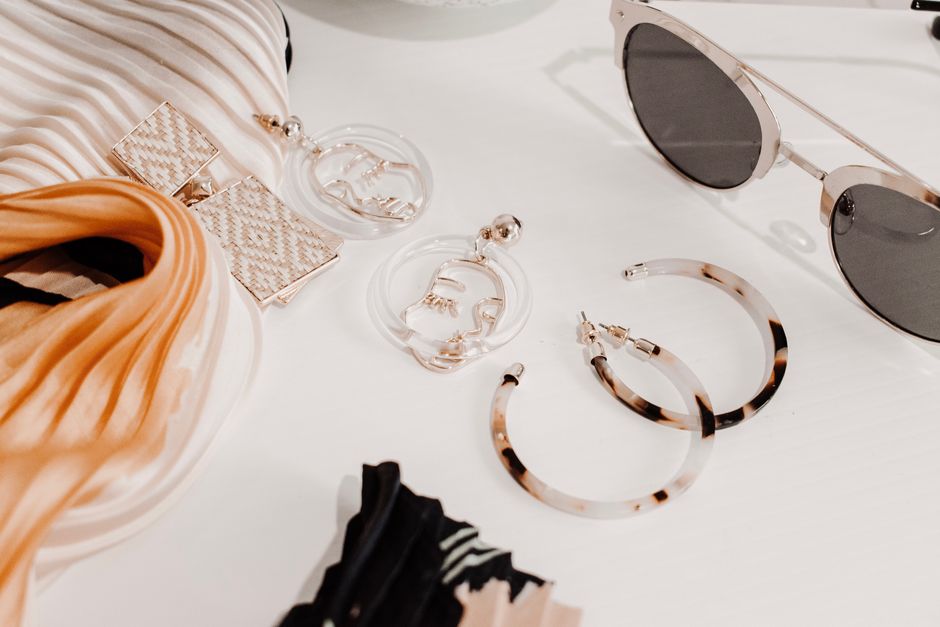
Accessories play a pivotal role in defining personal style, yet many individuals find the process of selecting them daunting. The key lies in understanding how to balance visual weight, color, and texture to complement an outfit rather than overpower it. This article explores a methodical approach to choosing bags, jewelry, and scarves that enhance your overall look. By focusing on principles of proportion and harmony, you can develop a reliable framework for accessorizing with confidence.
Whether you are dressing for a casual day out or a formal event, the right accessories can transform an ensemble. However, the goal is not to add more items but to curate pieces that resonate with the outfit’s aesthetic. We will examine each category of accessory, discussing factors such as scale, material, and occasion. Through this process, you will learn to make informed decisions that reflect your unique style while maintaining a cohesive appearance.
It is important to note that accessorizing is highly personal and context-dependent. What works for one person may not suit another, and trends should be adapted rather than followed blindly. The following sections provide a structured method to evaluate accessories, ensuring that each addition serves a purpose. By the end, you will have a toolkit to assess any accessory and determine its suitability for your wardrobe.
Understanding the Role of Accessories in an Outfit
Accessories serve multiple functions in an outfit, from adding visual interest to expressing individuality. They can draw attention to specific areas, create balance, or introduce a pop of color. However, their impact depends largely on how they interact with the clothing. For instance, a statement necklace can elevate a simple top, while a delicate scarf might soften a structured blazer. The goal is to achieve harmony, where accessories enhance rather than compete with the main garments.
To assess the role of an accessory, consider the outfit’s overall composition. Look at the color palette, silhouette, and level of formality. If the clothing is already bold or patterned, accessories should be more subdued to avoid visual clutter. Conversely, a monochromatic or minimalist outfit can accommodate more prominent accessories. This principle of balance is central to effective accessorizing.
Another factor is the occasion. Accessories appropriate for a business meeting may differ from those for a social gathering. Understanding the context helps narrow down choices and ensures that the accessories align with the setting. Additionally, cultural and regional norms can influence accessory selection, though personal expression remains key.
Accessories are the finishing touches that can transform an outfit from ordinary to exceptional, but they require thoughtful consideration.
Ultimately, the role of accessories is to complement the wearer and the clothing. By evaluating each piece’s contribution, you can make intentional choices that enhance your look. This approach avoids the common pitfall of over-accessorizing, which can detract from the overall effect.
Selecting Bags to Complement Your Look
Bags are both functional and stylistic, making them a critical accessory. When choosing a bag, start by considering its purpose. A tote for work, a clutch for evening events, or a crossbody for casual outings each serves different needs. The bag’s size should be proportionate to your body frame and the outfit’s scale. A large bag can overwhelm a petite person or a delicate dress, while a tiny bag may look lost with a voluminous coat.
Color and material also play significant roles. A neutral-colored bag in leather or faux leather can be versatile, pairing with many outfits. However, a brightly colored or textured bag can act as a focal point. If the outfit is neutral, a bold bag can add interest; if the outfit is colorful, a neutral bag can provide grounding. Texture, such as smooth leather, suede, or woven materials, adds depth and can echo other textures in the outfit.
Hardware on bags, such as buckles or chains, should harmonize with jewelry. Mixing metals can be intentional but requires careful coordination. For a cohesive look, match the bag’s hardware to the metal tones of your jewelry. Style Thread emphasizes that consistency in details creates a polished appearance.
Finally, consider the bag’s shape. Structured bags convey formality, while slouchy bags suggest casualness. The shape should align with the outfit’s silhouette. For example, a structured blazer pairs well with a structured bag, while a flowy dress might suit a softer bag. By evaluating these elements, you can select a bag that enhances rather than distracts.
Choosing Jewelry That Enhances Without Overpowering
Jewelry can be a powerful tool for personal expression, but it requires restraint to avoid overwhelming an outfit. The first step is to determine the focal point of your look. If the clothing has intricate details or a bold pattern, jewelry should be minimal. If the outfit is simple, you can afford more statement pieces. Necklines also guide jewelry choice: a V-neck highlights a pendant, while a high neckline may call for earrings or a bracelet.
Scale is crucial. Delicate pieces suit small frames and subtle outfits, while chunky pieces add drama to larger frames or minimalist ensembles. Layering jewelry can be effective but should be done with care to prevent tangling or visual chaos. A common approach is to choose one statement piece and keep others understated.
Metal tone is another consideration. Gold, silver, and rose gold each impart different vibes. While mixing metals is a modern trend, traditional coordination ensures harmony. Consider your skin tone and the colors in your outfit. Warm tones often complement gold, while cool tones pair well with silver.
Gemstones and pearls can add color and texture. They can echo colors in the outfit or provide contrast. However, be mindful of the occasion; more formal events may call for fine jewelry, while casual settings allow for costume pieces. Ultimately, jewelry should feel like a natural extension of your style.
Using Scarves to Add Flair and Function
Scarves are versatile accessories that offer both warmth and style. They can be worn in numerous ways, from neck wraps to head coverings or bag embellishments. When selecting a scarf, consider its fabric and pattern. Silk scarves are elegant and lightweight, suitable for indoor or mild weather, while wool or cashmere provide warmth. Patterned scarves can inject personality into a solid outfit, but should be balanced with other patterns.
Color coordination is key. A scarf can tie together disparate colors in an outfit or introduce a new accent. If the outfit is busy, a solid-colored scarf can provide visual relief. If the outfit is monochromatic, a patterned scarf can add dimension. The scale of the pattern should relate to your body size; larger patterns suit larger frames, while smaller patterns work on smaller frames.
Draping techniques also affect the overall look. A simple loop, a Parisian knot, or a belted scarf each creates a different effect. Practicing different styles can help you find what works for your outfit and occasion. Scarves can also be used to modify necklines or add coverage, making them both practical and stylish.
When incorporating a scarf, ensure it doesn’t compete with other accessories. If you wear a statement necklace, a bulky scarf may clash. Instead, opt for a lightweight scarf or skip the necklace. By considering the interaction between accessories, you can create a cohesive ensemble.
Balancing Accessories for a Cohesive Look
Achieving balance across all accessories is the final step in elevating an outfit. This involves evaluating the total visual weight of your accessories and ensuring they don’t overpower each other or the clothing. A common guideline is to limit focal points to one or two. For example, if you wear a bold necklace, keep earrings small and skip a prominent scarf. If you carry a statement bag, opt for minimal jewelry.
Color harmony is another aspect. Repeating a color in multiple accessories can create a unified look, while contrasting colors can add vibrancy. However, too many competing colors can look chaotic. A neutral base with one or two accent colors often works well. Texture can also be balanced; mix smooth and rough textures for interest, but avoid excessive contrast.
Occasion and personal comfort should guide the final selection. Accessories should not feel cumbersome or require constant adjustment. They should enhance your confidence and ease. Style Thread suggests that the best accessories are those you forget you’re wearing because they feel so natural.
Finally, remember that accessorizing is a skill that improves with practice. Experiment with different combinations, observe how they feel, and refine your approach over time. There is no single correct way, but a thoughtful process can lead to consistently stylish outcomes.