Proper Care for Delicate Fabrics Like Silk and Wool
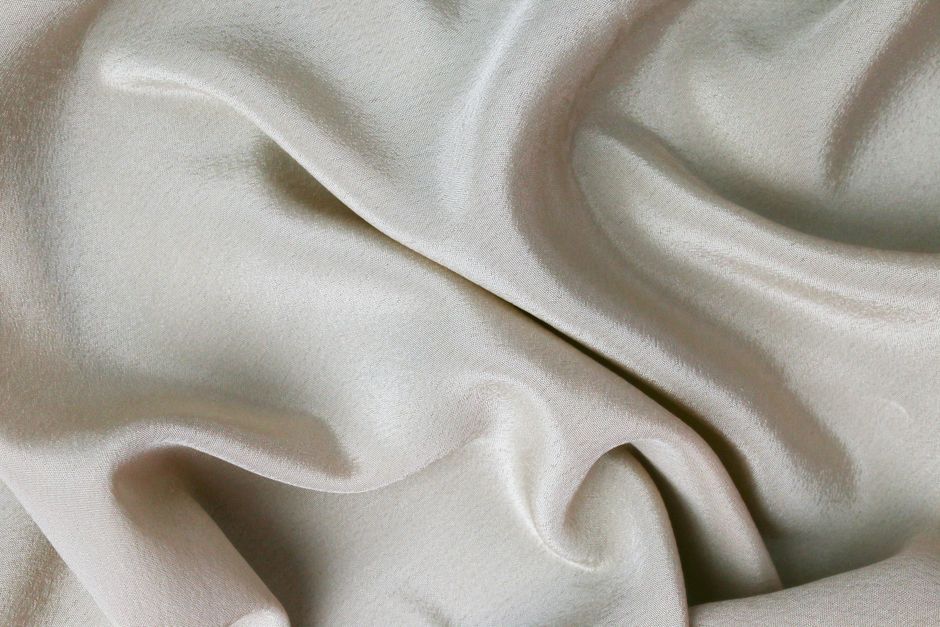
Delicate fabrics such as silk and wool require careful handling to maintain their appearance and integrity over time. Understanding the characteristics of these natural fibers is the first step toward effective care. Silk, a protein-based fiber produced by silkworms, is known for its smooth texture and lustrous sheen, but it can be sensitive to harsh chemicals, high temperatures, and prolonged exposure to sunlight. Wool, derived from sheep and other animals, is valued for its warmth, resilience, and ability to regulate moisture, yet it can shrink or felt when subjected to agitation and abrupt temperature changes. By adopting appropriate washing and storage methods, you can help preserve the quality of these garments for years.
This article outlines practical approaches to cleaning and storing silk and wool items, drawing on general textile care principles. The focus is on processes and materials that are commonly recommended by conservators and textile specialists. While these methods are widely used, the condition of each garment, its construction, and any finishes or dyes can influence how it responds to cleaning and storage. Therefore, always consider the specific characteristics of your item and, when in doubt, consult a professional dry cleaner or textile conservator.
Style Thread understands that proper care extends the life of delicate garments, and we aim to provide informative guidance that supports informed decision-making. The following sections explore washing techniques, drying methods, storage solutions, and additional considerations for maintaining silk and wool fabrics.
Understanding Silk and Wool Fibers
Silk is a natural protein fiber composed of fibroin, which gives it strength and elasticity. Unlike many synthetic fibers, silk is susceptible to damage from alkaline substances, such as most laundry detergents, which can weaken the fiber over time. It also loses strength when wet, so gentle handling is crucial during washing. Additionally, silk can be affected by perspiration, deodorants, and perfumes, which may cause discoloration or fiber degradation if not promptly addressed. Wool fibers have a scaly surface that can interlock when exposed to heat, moisture, and friction, leading to shrinkage and felting. The natural crimp in wool provides insulation and resilience, but it also means that wool garments require careful treatment to avoid distortion. Both silk and wool are protein-based, so they share similar sensitivities to high pH, bleach, and high temperatures.
Understanding these properties helps in selecting appropriate cleaning agents and methods. For instance, neutral pH detergents are generally safer for protein fibers than alkaline ones. Avoiding sudden temperature changes prevents shock to the fibers, which can cause shrinkage or loss of shape. Moreover, wool is prone to damage from moths and other insects, so storage should include protective measures. By recognizing the unique traits of each fiber, you can tailor your care routine to minimize risks and maintain the fabric’s appearance.
It is also important to note that not all silk and wool items are created equal. Some may have been treated with finishes, such as wrinkle-resistant or stain-repellent coatings, which can affect how they respond to washing. Always check the care label for specific instructions from the manufacturer. If a label recommends dry cleaning only, it is advisable to follow that guidance, as home washing may void warranties or cause irreversible damage. When in doubt, testing a small, inconspicuous area can provide insight into how the fabric reacts to a cleaning method.
Washing Silk and Wool Garments
Hand washing is often the safest method for silk and wool items, as it allows for gentle agitation and controlled water temperature. Before washing, check for any stains and treat them promptly with a suitable stain remover formulated for delicate fabrics. Avoid rubbing stains vigorously, as this can abrade the fibers. Fill a clean basin with lukewarm water (around 30°C or 85°F) and add a small amount of gentle, pH-neutral detergent. Submerge the garment and gently squeeze the suds through the fabric without twisting or wringing. Let it soak for no more than 5 to 10 minutes, then rinse thoroughly with cool water until no detergent remains. To remove excess water, gently press the garment between two towels or roll it in a towel to absorb moisture. Never wring or twist silk or wool, as this can cause stretching and distortion.
If hand washing is not feasible, some silk and wool garments may be machine washed on a delicate cycle, but this depends on the item’s construction and any finishes. Use a mesh laundry bag to protect the garment, select a cold water setting with a low spin speed, and choose a mild detergent designed for delicates. However, machine washing carries a higher risk of damage, so it is generally not recommended for heavily embellished or tailored pieces. Always verify the care label before machine washing. For wool, avoid using biological detergents that contain enzymes, as these can degrade protein fibers. Instead, opt for detergents labeled as suitable for wool or silk.
When washing silk and wool, it is crucial to avoid sudden temperature changes. Rinse water should be the same temperature as the wash water to prevent thermal shock, which can cause shrinkage. Also, do not use chlorine bleach or fabric softeners, as these can damage the fibers and leave residues. If you need to remove odors, adding a small amount of white vinegar to the rinse water can help, but test first on a small area. After washing, do not wring or twist the garment. Instead, gently squeeze out excess water and lay the item flat to dry on a clean towel, reshaping it to its original dimensions. Drying flat helps prevent stretching and distortion that can occur when hanging wet silk or wool.
For wool garments, blocking may be necessary to restore shape after washing. This involves pinning the damp garment to a towel or blocking mat in the desired shape and allowing it to air dry. Avoid direct sunlight and heat sources, as these can cause fading and fiber damage. Silk items should also be dried away from direct sunlight to prevent yellowing. If the garment requires pressing, use a low heat setting and press on the reverse side while the fabric is slightly damp, or use a pressing cloth to protect the surface. Always test the iron on a small area first to avoid scorching.
Drying and Ironing Techniques
Proper drying is essential to maintain the shape and texture of silk and wool. After washing, gently remove excess water by laying the garment on a clean, absorbent towel and rolling it up. Press down to help the towel absorb moisture, but do not twist or wring. Then, lay the garment flat on a dry towel or a drying rack, reshaping it to its original dimensions. For wool sweaters, avoid hanging, as the weight of the water can stretch the shoulders and distort the overall shape. Instead, dry flat on a mesh drying rack to allow air circulation. Turn the garment occasionally to ensure even drying. Keep the item away from direct heat sources such as radiators or direct sunlight, which can cause fading and fiber brittleness.
Ironing silk and wool requires caution. Use a low heat setting and always test on an inconspicuous area first. For silk, press while the fabric is slightly damp, or use a steam iron on the lowest setting. Place a pressing cloth between the iron and the fabric to prevent scorching or shine. For wool, use a steam iron with a pressing cloth, and avoid pressing too hard, as this can flatten the texture. If the garment has a nap, such as wool flannel, iron with the nap to avoid crushing the fibers. Alternatively, hanging the garment in a steamy bathroom can help release wrinkles without direct heat. Always allow the garment to cool and dry completely before wearing or storing.
If you are uncertain about ironing a particular item, consider professional pressing. Dry cleaners have equipment and expertise to press delicate fabrics safely. However, frequent dry cleaning can be harsh on silk and wool due to the chemicals used, so it is best to minimize dry cleaning unless necessary. Between cleanings, airing garments outdoors in a shaded area can help refresh them and reduce odors. Avoid using fabric fresheners or perfumes directly on silk or wool, as these can leave residues that attract dirt or cause discoloration.
Storage Solutions for Delicate Fabrics
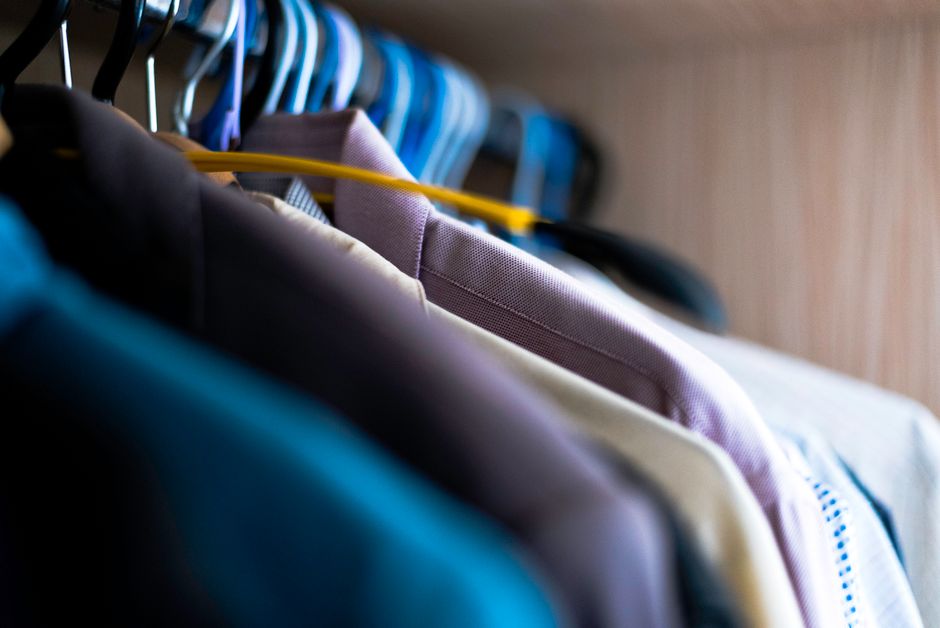
Storing silk and wool properly is crucial to protect them from environmental factors, pests, and physical damage. Before storing, ensure garments are clean, as residual oils and dirt can attract insects and cause stains over time. Fold knitted wool items rather than hanging them, as hanging can stretch the shoulders and distort the shape. Silk garments can be hung on padded hangers to prevent creasing, but avoid wire hangers that can rust and stain. Use breathable garment bags made of cotton or muslin to protect items from dust while allowing air circulation. Avoid plastic bags, which can trap moisture and lead to mildew. For long-term storage, use acid-free tissue paper to cushion folds and prevent creases. Place cedar blocks or lavender sachets in storage areas to deter moths, but avoid direct contact with the fabric, as oils from cedar can stain. Cedar chests are traditional but can impart odors, so line them with acid-free paper. Ideally, store garments in a cool, dry, dark place with stable temperature and humidity. Avoid attics and basements, which can have extreme fluctuations. Inspect stored items periodically for signs of pests or damage, and refold garments to prevent permanent creases.
For silk, avoid storing in direct contact with colored tissue paper or other fabrics that may bleed dye. Wrap in white acid-free tissue or muslin. If hanging, use padded hangers and cover with a breathable bag. For wool, ensure items are completely dry before storing to prevent mildew. If you use mothballs, be aware that their fumes can be toxic and may leave odors; alternative natural repellents like lavender, rosemary, or cedar are safer. However, these may lose effectiveness over time, so replace them periodically. Always store cleaned garments, as perspiration and body oils can attract insects. If you notice any signs of moth damage, isolate the affected item and consult a professional conservator for treatment. With proper storage, silk and wool garments can remain in good condition for many years.
Additional Considerations and Professional Care
While home care can be effective, some silk and wool items may require professional attention. Garments with intricate embellishments, such as beading or embroidery, or those with tailored structures, like suits and coats, are best cleaned by a professional dry cleaner experienced with delicate fabrics. Dry cleaning uses solvents that are gentler on fibers than water and can remove oils and stains without causing shrinkage. However, not all dry cleaning is equal; some solvents may be harsh on certain dyes or finishes. Communicate with your dry cleaner about the fabric content and any concerns. They can also provide advice on stain removal and pressing.
If you choose to clean at home, always test any cleaning agent on a small, hidden area first. This helps ensure that the detergent does not cause discoloration or damage. Keep a record of any stains and how you treated them, as this information can be useful if you later seek professional help. For valuable or antique garments, consult a textile conservator who can provide specialized care. They can assess the condition of the fabric, recommend appropriate cleaning methods, and perform treatments that preserve the garment’s historical integrity. Additionally, consider the environmental impact of cleaning methods; gentle hand washing with biodegradable detergents is often more eco-friendly than dry cleaning. However, the best choice depends on the specific garment and its condition.
In summary, caring for silk and wool involves understanding their properties, using gentle cleaning methods, and storing them properly. By following these practical tips, you can help extend the life of your delicate garments and keep them looking their best. Remember that each garment is unique, and what works for one may not work for another. When in doubt, seek advice from professionals. With careful attention, your silk and wool items can remain beautiful for years to come.