Building a Capsule Wardrobe for Work

Creating a capsule wardrobe for work involves curating a limited set of clothing items that can be combined in numerous ways to produce a variety of professional looks. This approach focuses on quality, versatility, and coherence rather than quantity, allowing individuals to streamline their morning routines and maintain a polished appearance with less effort. The concept is rooted in minimizing decision fatigue and maximizing the utility of each garment, which can be particularly beneficial in professional settings where expectations for attire are consistent.
The process begins with an assessment of the workplace environment, including dress code policies and cultural norms. Factors such as industry standards, client interactions, and personal comfort play a role in determining the appropriate level of formality. By understanding these parameters, one can select pieces that align with both professional requirements and individual style preferences. The goal is not to prescribe a single formula but to offer a flexible framework that can be adapted to different contexts.
This article explores the foundational elements of a work capsule wardrobe, including key clothing categories, considerations for fabric and fit, and strategies for mixing and matching. It emphasizes a methodical approach that prioritizes functionality and adaptability, while acknowledging that personal circumstances and preferences will influence final selections. The information presented is intended to inform and guide, not to dictate a specific course of action.
Assessing Professional Requirements and Personal Style
Before selecting any items, it is useful to evaluate the specific demands of one’s profession. Different fields have varying expectations regarding attire, ranging from business formal to business casual or smart casual. For instance, a corporate law office may require suits and tailored separates, while a creative agency might permit more relaxed combinations. Understanding these nuances helps narrow down the types of garments that will be most practical. Additionally, considering the frequency of client meetings, presentations, or other events can inform the level of formality needed.
Personal style preferences also play a significant role in building a capsule wardrobe that feels authentic. While the aim is to create a cohesive set of pieces, it is important to include colors, patterns, and cuts that reflect individual taste. This increases the likelihood that the wardrobe will be worn regularly and maintained over time. A neutral base palette, such as navy, gray, black, or beige, often serves as a foundation, but accent colors can be introduced through accessories or select garments. The key is to strike a balance between professionalism and personal expression.
Another consideration is the climate and seasonal variations in the location. In regions with distinct seasons, a capsule wardrobe may need to include layers that can be added or removed as temperatures change. For example, lightweight blazers, cardigans, and breathable fabrics are useful for warmer months, while heavier materials like wool or flannel can be incorporated for colder periods. Planning for these fluctuations ensures that the wardrobe remains functional year-round. It is also helpful to review one’s current closet to identify items that already fit the criteria and can be integrated into the capsule.
Essential Categories for a Work Capsule Wardrobe
A well-rounded work capsule typically includes several core categories: tops, bottoms, dresses or suits, outerwear, and shoes. Each category serves a specific function and should consist of pieces that can be easily coordinated. For tops, options such as button-down shirts, blouses, and fine-knit sweaters in neutral tones offer versatility. Bottoms may include tailored trousers, pencil skirts, or dark jeans if the dress code permits. Dresses and suits provide one-and-done solutions for more formal occasions. Outerwear such as blazers, trench coats, or structured jackets adds polish and can adapt to different weather conditions. Shoes should be comfortable and appropriate for the setting, with styles like loafers, pumps, or clean sneakers depending on the environment.
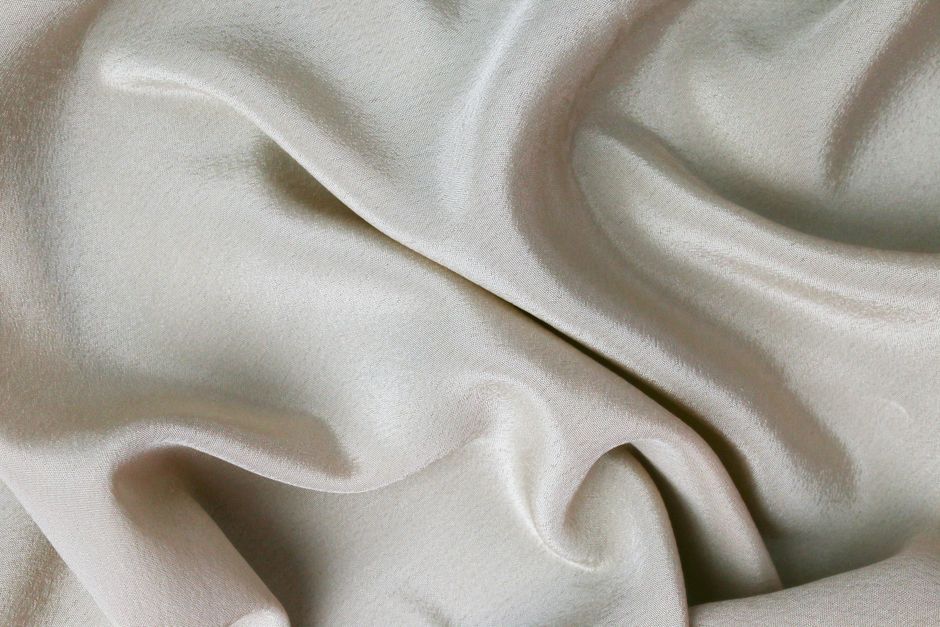
When selecting these items, focus on fabrics that resist wrinkling and hold their shape throughout the day. Materials like cotton blends, wool, and synthetic mixes often perform well in professional settings. Fit is equally important; garments should allow for movement and sit properly on the body. Alterations may be necessary to achieve the desired silhouette. Investing in quality pieces that withstand regular wear can reduce the need for frequent replacements, though this depends on individual budget and care practices.
To illustrate, a basic capsule might include:
- Three to five tops (e.g., white button-down, striped blouse, black turtleneck)
- Two to three bottoms (e.g., gray trousers, navy skirt, black pants)
- One to two dresses or suits (e.g., sheath dress, matching blazer and trousers)
- One to two outerwear pieces (e.g., blazer, trench coat)
- Two pairs of shoes (e.g., flats, low heels)
This list is not exhaustive and can be adjusted based on personal needs and workplace norms. The objective is to create a matrix of interchangeable items that yield multiple outfits.
Strategies for Mixing and Matching
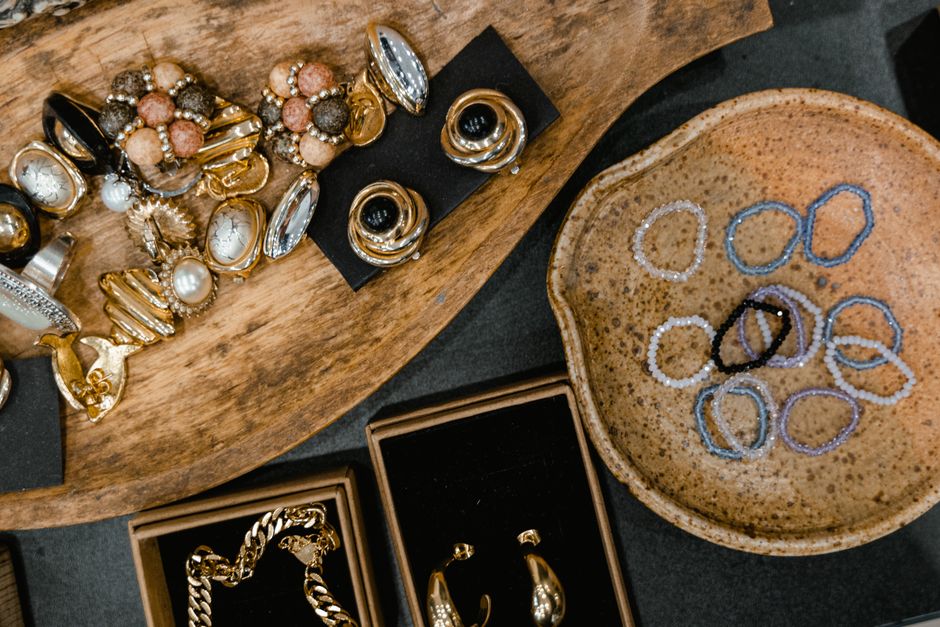
The effectiveness of a capsule wardrobe lies in the ability to combine items in diverse ways. A simple method is to pair each top with each bottom, creating numerous combinations from a small number of pieces. For example, three tops and three bottoms can generate nine distinct outfits. Adding a blazer or cardigan can extend these further, allowing for layering that changes the look. Accessories such as scarves, belts, and jewelry can also introduce variation without adding bulk to the wardrobe.
Another approach is to establish a consistent color palette that ensures all pieces harmonize. This does not mean everything must be the same color; rather, selecting a range of neutrals with a few accent shades facilitates coordination. For instance, a base of black, white, and gray can be complemented by burgundy or olive green. This strategy reduces the time spent deliberating over what matches and increases the likelihood that outfits will look intentional.
It is also helpful to plan outfits in advance, perhaps at the beginning of each week. This practice can alleviate morning stress and ensure that the capsule is being utilized fully. Over time, one may notice which pieces are worn most frequently and which remain untouched, providing feedback for future adjustments. The capsule wardrobe is not a static entity; it can evolve as needs and preferences change.
Maintenance and Longevity Considerations
To sustain a work capsule wardrobe, proper care of garments is essential. Following manufacturer instructions for washing, drying, and ironing helps preserve fabric integrity and appearance. Rotating items regularly prevents excessive wear on any single piece. Storing clothes in a clean, dry space and using appropriate hangers can also extend their lifespan. When an item becomes worn or no longer fits, it can be replaced or removed from the capsule, keeping the collection functional and current.
Budget considerations are also part of the process. While investing in higher-quality pieces may have a higher upfront cost, they often last longer and maintain their look better than lower-cost alternatives. However, this is not a universal rule, and individual financial situations vary. Thrifting, sales, and capsule-specific brands can offer options at different price points. The focus should be on value and utility rather than brand names or trends.
“A capsule wardrobe is less about restriction and more about intentionality—choosing pieces that serve multiple purposes and reflect a consistent professional image.”
Ultimately, building a capsule wardrobe for work is a personal endeavor that requires reflection and experimentation. The guidelines provided here are meant to offer a starting point, but each individual will tailor the approach to their own context. By concentrating on versatility, quality, and coherence, it is possible to create a professional wardrobe that simplifies daily dressing while supporting a polished appearance.