Styling Tips for Casual Friday Office Looks
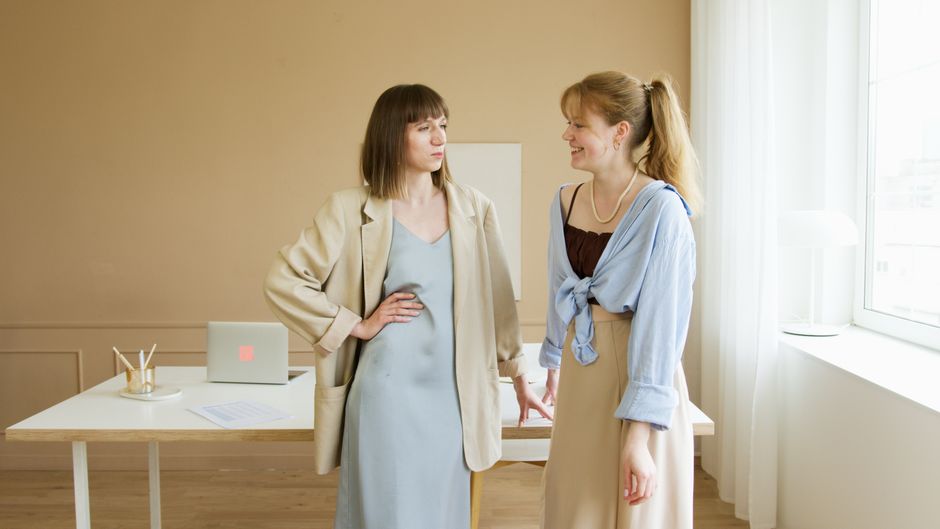
Casual Friday offers a welcome change from the standard workweek dress code, allowing for a more relaxed yet still professional appearance. Striking the right balance between comfort and professionalism requires careful consideration of fabrics, fits, and overall presentation. The goal is to look polished without appearing overly formal, and comfortable without crossing into overly casual territory. This article explores practical styling approaches that can help navigate the nuances of smart casual attire for the workplace.
Many offices have adopted flexible dress codes that permit employees to express personal style while maintaining a professional atmosphere. Understanding the implicit expectations of a casual Friday environment can prevent wardrobe missteps. Factors such as industry norms, company culture, and individual role often influence what is considered appropriate. By focusing on key elements like structure, material, and color coordination, it is possible to create outfits that feel both relaxed and respectful of the work setting.
This guide provides a framework for assembling casual Friday looks that prioritize comfort and professionalism. It covers foundational pieces, color and pattern strategies, footwear and accessory choices, and tips for adapting outfits to different workplace contexts. The suggestions are intended to be adaptable, allowing for individual interpretation based on personal style and specific office environments.
Understanding the Smart Casual Framework
Smart casual is a flexible dress code that sits between business formal and casual wear. It typically includes well-fitted clothing that is not overly rigid but still conveys a sense of professionalism. For casual Friday, this often means incorporating elements like blazers, tailored trousers, and knitted tops that offer comfort without sacrificing structure. The key is to avoid items that are too worn, torn, or overly casual, such as flip-flops, gym wear, or graphic tees with offensive imagery.
One approach is to start with a base of classic pieces and then add one or two relaxed elements. For example, a pair of dark denim jeans can be paired with a button-down shirt and a blazer to create a balanced look. Alternatively, a midi skirt with a plain tee and a cardigan can achieve a similar effect. The goal is to mix formal and informal components in a way that appears intentional and harmonious.
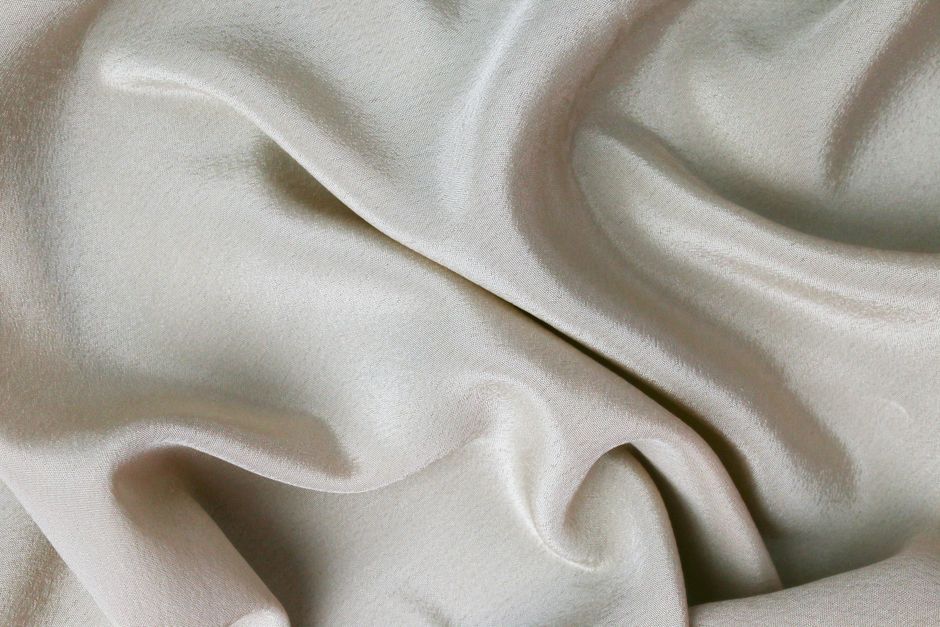
Fabric choice plays a significant role in achieving the right balance. Natural fibers like cotton, linen, and wool tend to look more polished than synthetic blends that may appear shiny or flimsy. However, modern performance fabrics can also be appropriate if they are tailored and maintained well. Paying attention to the drape and texture of the material can elevate an otherwise simple outfit.
Building a Comfortable and Professional Wardrobe
Creating a capsule of versatile pieces can simplify the process of dressing for casual Friday. Items that can be mixed and matched reduce decision fatigue and ensure consistency. Consider investing in a few well-made staples that fit properly and reflect a professional aesthetic. These pieces should be comfortable enough to wear for a full day of work, including sitting at a desk and moving between meetings.
Some essential items for a smart casual wardrobe include:
- Dark wash jeans or chinos that are free from distressing.
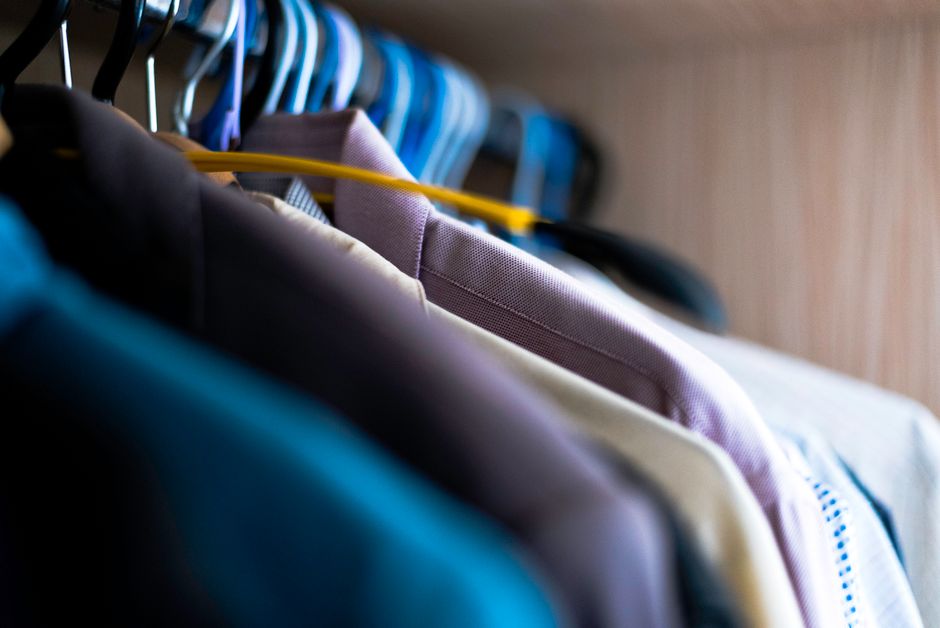
- Button-down shirts in neutral colors or subtle patterns.
- Blazers or unstructured jackets that add polish without formality.
- Knit sweaters or cardigans that provide warmth and texture.
- Closed-toe shoes such as loafers, flats, or low heels.
- Simple accessories like a leather belt or a classic watch.
When selecting these items, fit is paramount. Clothing that is too tight or too loose can appear unprofessional. A tailor can adjust garments to achieve a better fit, which enhances both comfort and appearance. Additionally, considering the workplace environment—such as whether it is client-facing or internal—can guide the level of formality required.
Another aspect is to consider the season and climate. In warmer months, lighter fabrics like cotton and linen are appropriate, while in colder months, layers such as sweaters and jackets can be added. The ability to adapt outfits to changing temperatures without compromising style is a practical skill for casual Fridays.
Color, Pattern, and Texture Coordination
Color coordination can significantly impact the overall impression of an outfit. Neutral colors such as navy, gray, black, and beige serve as a reliable foundation. These can be accented with softer hues like pastels or deeper tones like burgundy or forest green. Sticking to a cohesive color palette can make an outfit look intentional and put-together.
Patterns can add visual interest, but they should be used judiciously. Subtle patterns like stripes, checks, or small dots are generally safe for office settings. Mixing patterns requires a careful eye; a common technique is to pair a larger pattern with a smaller one in a complementary color scheme. Textures, such as a chunky knit sweater with smooth trousers, can also create depth without relying on patterns.
“The key to smart casual is to look like you made an effort without appearing to try too hard.”
Accessories can tie an outfit together and add a personal touch. A leather belt that matches the shoes, a simple necklace, or a structured bag can enhance the professional feel of a casual look. However, it is important to avoid excessive or noisy accessories that might be distracting in a work environment.
Footwear and Accessories for Casual Friday
Footwear is often a deciding factor in the overall tone of an outfit. For casual Friday, closed-toe shoes are generally more appropriate than open-toe sandals or athletic sneakers. Loafers, oxfords, ballet flats, and low-heeled pumps are classic choices that provide comfort and professionalism. Some workplaces may permit clean, minimalist sneakers in neutral colors, but this depends on the specific dress code.
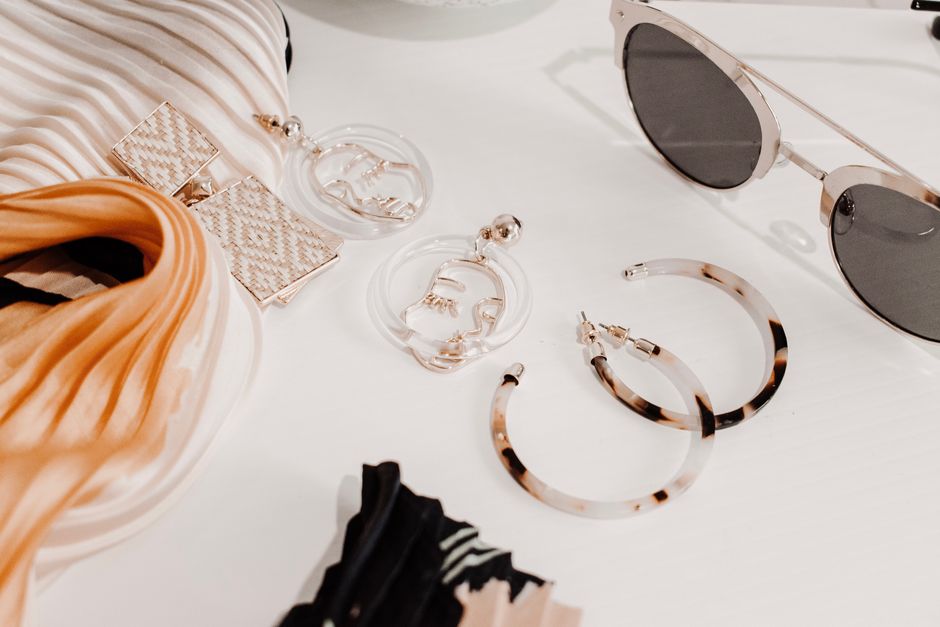
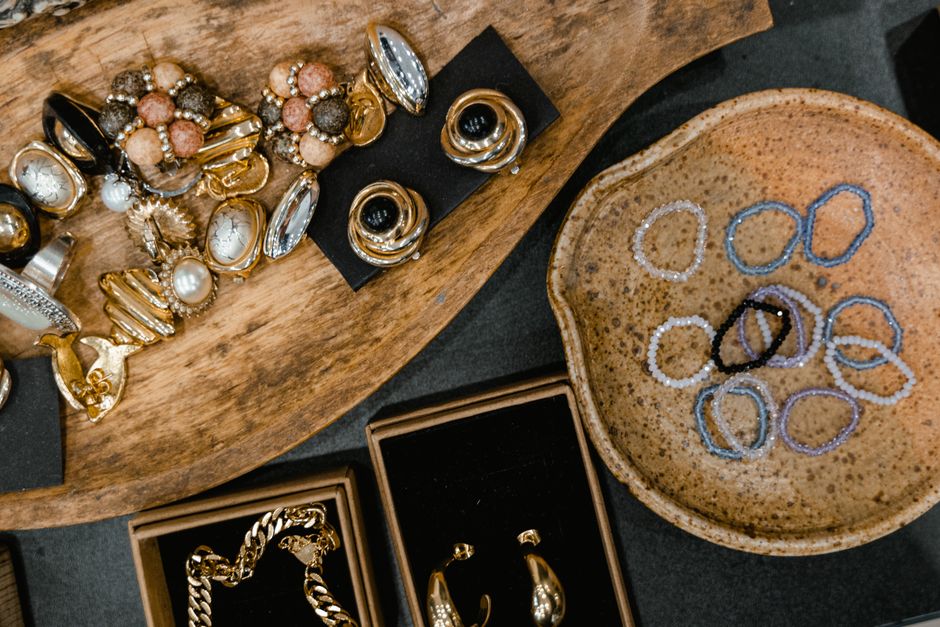
When it comes to accessories, less is often more. A single statement piece, such as a silk scarf or a piece of fine jewelry, can elevate a simple outfit. Bags should be functional and in good condition; a structured tote or a crossbody bag can work well. For those who wear glasses, frames can also be considered an accessory that contributes to the overall look.
It is also important to consider grooming and personal care. Well-maintained hair, clean nails, and subtle fragrance can complement an outfit and reinforce a professional image. These details, while small, contribute to the overall impression of competence and attention to detail.
Adapting to Different Workplace Environments
Not all workplaces have the same casual Friday culture. In some offices, jeans and a polo shirt are the norm, while in others, a blazer is still expected. Observing colleagues and consulting the employee handbook can provide clues about appropriate attire. When in doubt, it is better to err on the side of slightly more formal than too casual.
Industry also plays a role. Creative fields may embrace more relaxed and expressive styles, whereas finance or law firms might maintain a more conservative approach. Understanding these nuances can help in selecting outfits that fit the environment. Additionally, client meetings or presentations on a Friday might call for a more polished look, so having a backup blazer or a pair of dress shoes at the office can be useful.
Ultimately, the goal is to feel confident and comfortable while respecting the professional setting. Style Thread suggests that individuals experiment with different combinations to find what works best for their body type and personal style. The most successful casual Friday outfits are those that allow the wearer to focus on their work without feeling self-conscious about their appearance.